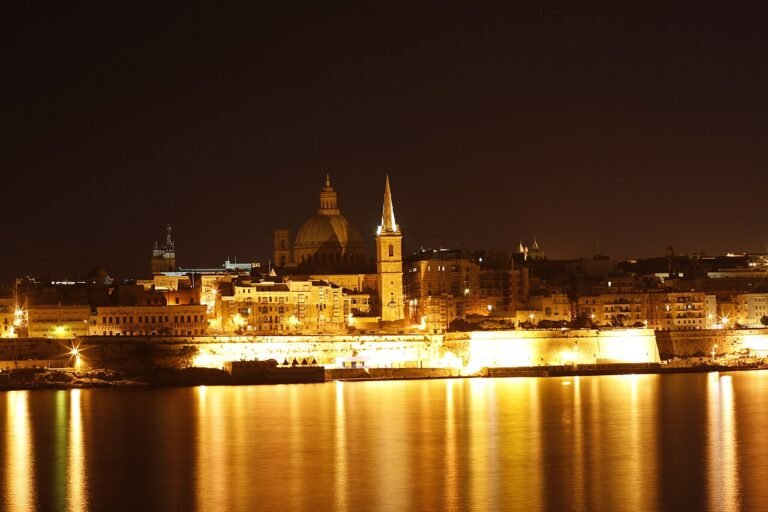
Most newcomers have the same first month in Malta. You find a flat in Gżira, Sliema or St Paul’s Bay, a new job or course swallows the weekdays, and you spend weekends walking the seafront alone, wondering where everyone your age actually goes. Working out how to make friends in Malta as a newcomer is less about luck than about choosing two or three activities that repeat and going back more than once.
Here is the honest picture. Malta is small and chatty, and people will talk to you at a bus stop. But a lot of local social life runs on circles that formed at school, in the village or around the parish festa. Locals are friendly, and many are already busy. Expat circles are open but they churn, because people leave when contracts end. The trick is to build a mix of both on purpose.
Below you’ll find a table of solo-friendly options with costs and how to join. There are also word-for-word scripts for walking in alone, what to do in the first five minutes, how to turn one good conversation into a group you actually see, and a safety box for going out solo.
Why it feels hard at first, and why the numbers are on your side
You are far from the only new face. Recent updates from the National Statistics Office put the number of foreign residents at 158,368, which is 28.1% of Malta’s population (NSO). In other words, more than one person in four around you started out somewhere else.
That crowd is also young. NSO data puts the median age of foreign residents at 32, against 43 for Maltese nationals (NSO). In practice, plenty of people at a language exchange, a comedy open mic or a weekend walk are in your situation. They are new-ish, in their twenties or thirties, and quietly hoping someone else will start the conversation.
Geography helps too. NSO analysis shows that foreign residents and younger people are concentrated in the Northern and Southern Harbour districts, particularly Sliema, Gżira, Msida and Pietà, as well as St Paul’s Bay (NSO). If you live around the harbour, the people you meet at events often live a short walk away, which makes the follow-up coffee far easier to arrange.
So why does it still feel hard? A few honest reasons:
- Churn. Expat friends leave, sometimes with a few weeks’ notice. Don’t stop adding people once you have a group of three.
- Full local calendars. Sunday family lunches and village commitments are real. Invite Maltese friends well ahead, and don’t take a busy weekend personally.
- Heat. In high summer, midday plans are miserable. Social life shifts to mornings, evenings and the sea, so plan around that.
- Transport. Traffic is heavy, and buses can run late or arrive full. A plan on the other side of the island takes more effort than the map suggests.
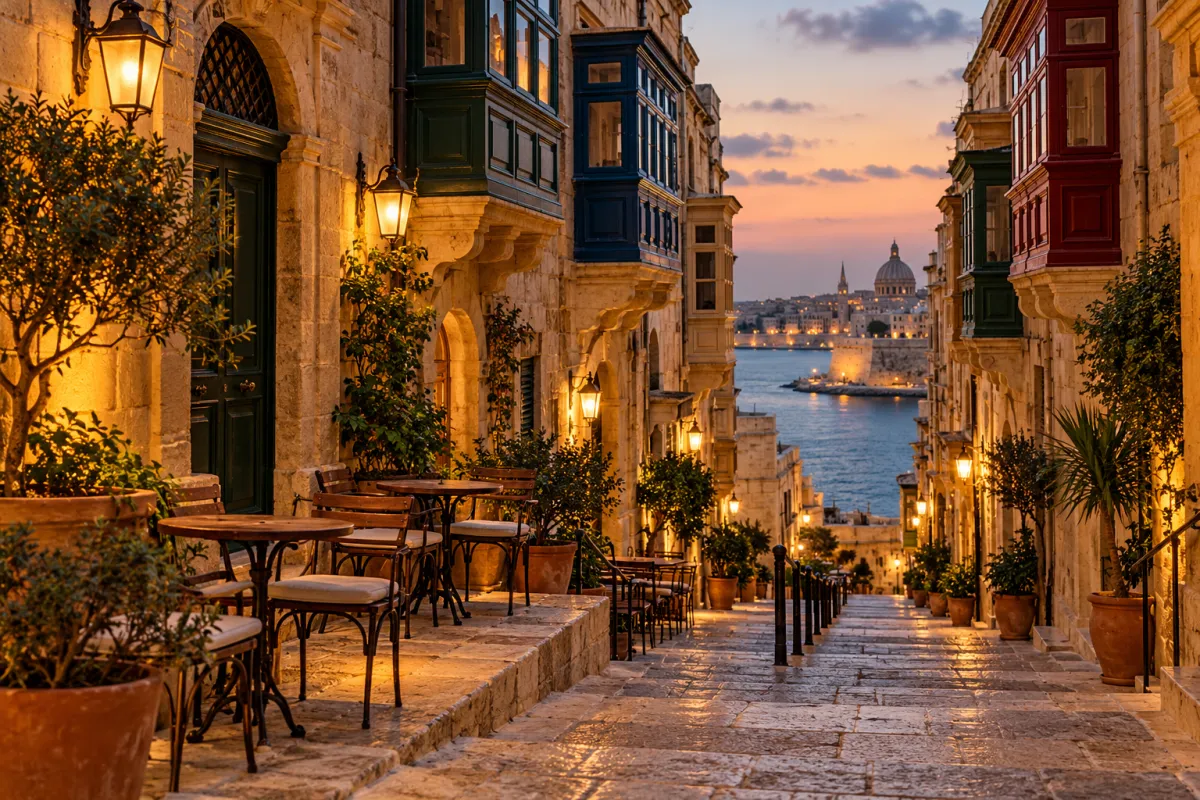
Solo-friendly places to start: the table
You can walk into everything below on your own without it being odd. Each one also has a built-in reason to talk to strangers. We link to our deeper guides where they exist. For a wider list sorted by town, see our guide to things to do alone in Malta, by area.
| Activity / venue | Area | When | Cost (EUR) | How solo-friendly | How to join |
|---|---|---|---|---|---|
| Language exchange meetups (English Café Malta) | Venue listed per event | Weekly, for example Tuesday Talk Time | €7, including admission, icebreakers and a welcome drink (English Café Malta) | Very high: the team runs icebreakers, and most people come alone | Buy a ticket on the organiser’s website |
| Free walking tour | Valletta | Regular daytime departures | Free, tip-based | High: you’re in a group and chat while you walk | See our free walking tour guide for Valletta |
| Comedy nights and open mics | Various venues | Evenings, regular nights | Varies by night; check the listing | Medium to high: sit at the bar and chat in the break | See our comedy nights guide |
| Live jazz nights | Valletta, around Strait Street | Evenings; check the line-ups | Varies by venue | Medium: bar seating, with natural chat between sets | See our Valletta nightlife guide |
| Group countryside walks | Malta and Gozo | Scheduled walks programme | See the association’s current membership options | Very high: hours of walking side by side | See our Ramblers Association of Malta guide |
| Volunteering | Island-wide | Regular shifts or one-off events | Free | Very high: a shared task and the same faces every week | See our volunteering in Malta guide |
Last checked June 2026. Times, venues and prices change, so confirm on the organiser’s page before you go.
How to make friends in Malta as a newcomer: the three-repeat rule
One-off events feel productive, but they rarely produce friends. Friendship needs recognition, and recognition needs repetition. The first time, you’re a stranger. The second time, you’re a familiar face. By the third time, you’re someone people save a seat for. That shift matters more than any opening line.
Pick one anchor, one stretch and one solo habit
- Anchor (weekly): something with the same time and the same people. A language exchange, a volunteering shift or a walking group works well. This is where friendships actually form.
- Stretch (every week or two): something fun and a little outside your comfort zone. Try a comedy night, live jazz nights in Valletta, or a walking tour on a free weekend morning. This is where you meet new people.
- Solo habit (twice a week): the same café at the same time, with a book or a laptop. Baristas and regulars become your first local acquaintances, and those acquaintances often know about the events nobody posts online.
A word on weekend searches
It’s natural to search for Malta social events this weekend for solo goers, and doing so works well for your stretch slot. Don’t let a string of one-off weekend events replace the anchor, though. A better habit is to sit down on a Sunday evening, look at the week ahead and commit to two things. Then go, even when the sofa is winning.
Give it a few weeks before you judge
Most newcomers give up after one awkward evening. Treat the first three visits to any group as research. You’re learning who the regulars are, where people stand and when the conversation loosens up. If a group still feels wrong after three visits, swap it for another. Don’t drop the anchor slot altogether.
Walking in alone: scripts that work
The hardest part of going out alone is the opening sentence. Below are lines you can borrow word for word. They’re short, they explain why you’re there, and they end with a question the other person can answer easily.
At a language exchange
“Hi, I’m new here, first time at one of these. Which language are you practising?” Everyone at a language exchange expects to be approached, so this is the easiest room in Malta for a first conversation. When the organisers rotate tables, ask the last person you spoke to whether they come every week.
At a comedy night
In the interval, turn to the person next to you at the bar and say: “Have you seen this comic before? I’m trying to work out which nights are good.” Comedy gives you a shared reference straight away, so you can talk about the last set rather than about yourselves. Our guide to going to comedy nights alone covers where to sit and which formats suit solo guests.
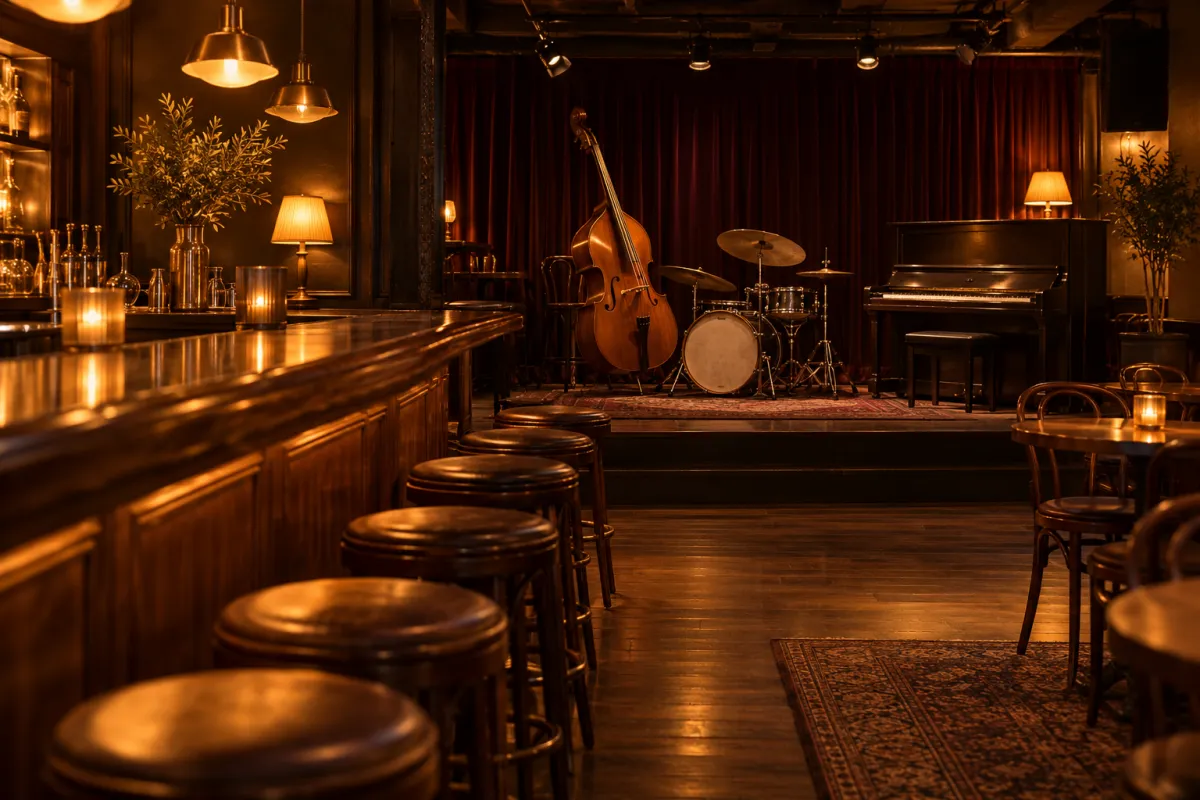
At live jazz nights in Valletta
Between sets, try: “Do you know who’s on next? I’ve just moved here and I’m finding my way around the jazz nights.” Jazz crowds tend to be regulars who enjoy recommending other nights, and asking for a recommendation is a low-pressure way to get a second conversation going.
On a free walking tour
At the first stop, ask the person beside you: “Are you visiting or living here?” At the end, ask the guide where they’d go for coffee nearby. Then turn to the two or three people you chatted with and say: “I’m going to try that café, anyone want to come?” Usually at least one person says yes.
On a group walk
“Is this your usual pace? It’s my first walk with the group.” Walking side by side takes the pressure off eye contact, and conversations run for kilometres. Before the end, ask which walk they’d recommend next. You now have a reason to see the same person again.
At a volunteering session
“What do you usually do here? Show me the ropes?” Asking for help is the fastest way into any group, because it gives people an easy role. Volunteering is also one of the best places to meet Maltese locals rather than only other newcomers.
With locals in general
Ask about their village, their festa or their favourite swimming spot. Maltese people tend to light up when talking about their home town, and a simple “grazzi” (thank you) goes a long way. Avoid opening with complaints about traffic or construction. Locals have heard them all, and they live with the same problems.
The first five minutes
Small decisions in the first few minutes shape how the evening goes. Here’s what works:
- Arrive on time or slightly early. Groups are smaller at the start, organisers have time to introduce you, and you won’t have to break into circles that have already formed.
- Tell the organiser it’s your first time. Most will introduce you to someone. That one introduction does half the work for you.
- Stand where people pass. The bar, the drinks table or the start point of a walk works far better than a wall or a corner.
- Keep your phone in your pocket. A screen tells everyone you’re busy. Hold a drink or a coffee instead.
- Ask open questions. “What brought you to Malta?” or “How did you find this group?” beats “Do you come here often?”
- Set a small goal. Aim for two names and one contact. That’s a successful evening, and anything more is a bonus.
- Have an exit line ready. “I’m going to grab another drink. Good to meet you.” Knowing you can leave a conversation politely makes it easier to start one.
From one meetup to actual friends
This is where most newcomers stall. You had a nice chat, swapped numbers, said “we should do something” and then nothing happened. The fix is simple: follow up within a couple of days with a specific plan.
The specific invite formula
A good invite has four parts: a place, a time, who pays and who else is coming. For example: “A few of us from Tuesday are getting coffee in Valletta on Saturday at 11, everyone pays their own. Want to join?” That’s easy to say yes to. “We should hang out sometime” is easy to ignore. Group plans also feel lower-pressure than one-to-one invites, especially with someone you’ve only met once.
If someone seems to read a friendly invite as romantic and you didn’t mean it that way, say so kindly and plainly. Most people will be relieved to know where they stand.
Become the person who organises
Every group has a few people who suggest things, and those people end up at the centre of it. You don’t need a big plan. A sunset swim at the Sliema rocks, a pastizzi stop after a walk or a coffee before a comedy night is enough. Keep plans at public places, keep them short the first time, and keep inviting the people who said yes. If you’re short on budget, our walking tour and volunteering guides above are good starting points for plans that cost very little.
Mix locals and expats
Because expat groups churn, aim for at least one or two local friends early on. Activities with a strong local base, such as walking groups, volunteering and sports clubs, are where that happens. A local friend will also introduce you to their circle, which is the one door into Maltese social life you can’t open on your own.
Where to base your social life, area by area
Valletta
Valletta is compact, walkable and full of places to sit alone: cafés, wine bars and, after dark, the jazz around Strait Street. It’s the best place for walking tours and cultural evenings. The downside is getting home. Check your bus or ferry options before you go, and don’t assume they’ll run as late as you’d like.
Sliema and Gżira
These towns are where many newcomers live, and they’re full of cafés, seafront walks and gyms. That makes them good for your solo habit and for easy follow-up plans. Expect traffic, construction noise and crowded promenades on summer evenings.
St Julian’s
St Julian’s suits big, sociable group nights such as pub crawls, and those can be a decent icebreaker if you go with a group. Paceville crowds are loud and busy at weekends, though, so it’s less useful for conversations that lead to lasting friendships. Treat it as an occasional night out rather than your anchor.
St Paul’s Bay and Buġibba
A large foreign community lives here, and the area feels more relaxed than the harbour. Bus journeys to Valletta can be long, so look for groups and cafés closer to home for your weekly anchor.
Gozo
Gozo is slower and smaller, with close-knit communities. It’s excellent for group walks and quiet weekends. If you live there, the regulars at one café or one walking group will matter more than any event listing. If you’re visiting, plan the ferry both ways before you commit to an evening.
Solo safety box
Going out alone or meeting someone new? Keep these habits:
- Meet in public places such as cafés, bars, tour start points and busy promenades, never a private address on a first meeting.
- Tell a friend where you’re going and who you’re meeting, and share your live location if you’re comfortable doing so.
- Plan your own way home before you leave. Buses can run late or arrive full, so use a licensed taxi or a ride-hailing app as your backup.
- Watch your drink and order it yourself from the bar.
- Leave whenever you feel uncomfortable. You don’t owe anyone an explanation.
- Women going out alone: sitting at the bar, where staff can see you, is often more comfortable than a corner table. In crowded areas like Paceville, keep your phone and wallet in a front pocket or a zipped bag.
Want to turn this into an actual plan? MeetNow is a free app for meeting people in person: a host posts a plan at a public place, says who pays (host pays, split, pay your own or free) and picks who joins. It is live on the web and works in your browser, starting in Malta. The Android app is on Google Play; the iPhone app is not in the App Store yet. Open MeetNow and see the plans posted in Malta.
FAQ
Is it hard to make friends in Malta as a newcomer?
It takes effort, but it is very doable. A large share of residents are foreigners in their twenties and thirties, so plenty of people are in the same position. The hard part is usually the second meeting, not the first, so focus on repeat events and follow-up plans.
Where do newcomers in Malta usually meet people?
Popular options include language exchange meetups, free walking tours in Valletta, comedy and live jazz nights, walking groups such as the Ramblers Association of Malta, and volunteering. Many newcomers live around Sliema, Gżira, Msida and St Paul’s Bay, so events in the harbour area are the easiest to reach.
How much does it cost to go to social meetups in Malta?
Plenty of options cost little or nothing: free walking tours run on tips, and volunteering is free. Language exchange meetups charge a small ticket that usually includes a welcome drink. Comedy and jazz nights vary by venue, so check the organiser’s page before you go.
Is it awkward to go to a comedy or jazz night alone?
Less than you’d think. Sitting at the bar is normal for solo guests, and the breaks between sets give you a natural reason to talk to the people next to you. Ask about the performer or the next set rather than opening with personal questions.
How do I meet Maltese locals and not only other expats?
Join the things locals join: walking groups, volunteering, sports clubs and village feasts in summer. Become a regular at one café, learn a few words of Maltese, and invite people well ahead, because weekends often fill up with family commitments.
Is it safe to go out alone in Malta at night?
Malta generally feels relaxed, but take normal precautions. Meet new people in public places, tell a friend where you are, and plan your own way home before you leave, because buses can be late or full. Watch your drink, and leave whenever something feels off. In crowded areas like Paceville, keep a closer eye on your phone and wallet.