The most reliable answer to how to make friends in Malta is boringly simple: pick one recurring activity, go at the same time every week, and keep going until the same faces start saying hello first. Malta is small enough that this works faster than in a big city, but only if you show up more than once. One great evening in Paceville rarely turns into a friendship. Five ordinary Tuesday quiz nights often do.
This guide is the version I wish someone had handed me: where people actually meet on the island, what each option suits, how to join without feeling awkward, and what to say once you are standing there with a drink, a towel or a board game in your hands. It is honest about the downsides too, because August heat, slow buses and the expat merry-go-round are real.
One note on facts: venues, groups and schedules in Malta change often, especially between summer and winter. Where we name specific places, we link to our own detailed guides, which are updated separately. Always confirm times on the organiser’s own page before you set off.
Why making friends in Malta can feel harder than it should
On paper, Malta should be the easiest place in Europe to build a social circle. Everything is close, English is an official language, and there is something on most evenings. In practice, plenty of newcomers spend their first months feeling slightly on the outside. A few reasons come up again and again.
- Locals often have their circle already. Many Maltese people still socialise with school friends, cousins and village groups. That is not unfriendliness; it is just a full calendar. You usually get in through a shared activity, not by waiting for an invitation.
- Expat circles turn over. People arrive on contracts, studies or a summer job and leave a year or two later. You can lose half a friend group in one autumn. The fix is to keep one foot in activities where people stay, such as sports clubs, volunteering and hobby groups.
- The geography lies. The island is small, but traffic around Msida, Birkirkara and the coast road can turn a short trip into a long one, and buses can run late or arrive full in summer. If an activity is a pain to reach, you will quietly stop going. Pick something near where you live or work.
- Summer heat changes everything. From roughly June to September, afternoons are for hiding indoors or in the sea. Social life moves to early mornings and evenings, which is useful to know when you plan.
- Party zones are bad for friendships. Paceville crowds are fun for a night, but loud music and rotating strangers make it hard to remember anyone’s name, let alone see them again.
How to make friends in Malta: the repeat-visit rule
The core method is simple, and it works for shy people as well as outgoing ones. Friendships form through repeated, low-pressure contact. You do not need to be the funniest person in the room; you need to be the person who is there again next week.
Step 1: pick one anchor activity
Choose something that runs every week at a fixed time and where conversation is built in: a language exchange, a pub quiz, a social run, a climbing session, a dance class. Avoid one-off events as your main plan. They are great for fun, weak for friendships.
Step 2: commit to a run of visits
Decide before you go that you will attend several times in a row, whatever happens on the first visit. The first time, nobody knows you. The second time, people recognise you. By the third or fourth time, you are a regular, and regulars get invited to the after-drinks.
Step 3: add one small follow-up plan
After a couple of visits, suggest something tiny and specific with one or two people you get on with: a coffee after the swim, a pastizzi stop on the way home, a beach on Sunday morning. Specific plans beat vague ones. “We should hang out” dies. “Coffee in Sliema after Saturday’s swim?” usually happens.
Step 4: be the person who organises once
Once you know a few people, host one small thing yourself, such as a sunset picnic or a board-game afternoon. People who organise become the centre of groups quickly, and in Malta, where everyone knows someone, one good gathering spreads.
If you want a much longer list of clubs and activities beyond this guide, our full roundup of places to meet people in Malta goes deeper on sports, hobbies and social groups.
Where people actually meet: quick table
This table summarises the activity types that most reliably turn into friendships. Costs are described in general terms because they vary by organiser and season; check each group’s own page before you go.
| Place or activity | Area | When it usually runs | Cost | How to join |
|---|---|---|---|---|
| Open water swimming groups | Sliema, St Julian’s, Balluta and other calm bays | Early mornings, mostly late spring to autumn | Usually free; bring your own buoy and goggles | Search Meetup and Facebook for Malta open water or sea-swimming groups |
| Sunset meetups and picnics | Dingli Cliffs, Golden Bay, Għajn Tuffieħa, Dwejra (Gozo) | Evenings, year-round | Free, plus whatever you bring | Join a group plan or host your own |
| Open mic nights | Mostly Valletta, Gżira, Sliema and St Julian’s bars | Weeknight evenings, varies by venue | Often free entry; pay your own drinks | Follow venue and event pages on Facebook and Instagram |
| Language exchanges | Valletta, Sliema, St Julian’s cafés and bars | Weekly evenings | Usually free; pay your own drinks | See our language exchange guide |
| Pub quizzes | Across the island, especially Sliema and St Julian’s | Weekly evenings | Small entry or free; drinks extra | Turn up and ask to join a team |
| Board-game cafés | Various towns | Afternoons and evenings, organised game nights | Table or entry fee varies | Go to a hosted game night |
| Climbing gyms and crag days | Indoor gyms plus outdoor crags | Evenings and weekends | Entry fee or membership | Book a session, ask about social nights |
| Volunteering | Island-wide | Weekends and regular shifts | Free | Sign up with an organisation directly |
Swimming groups in Malta: open water mornings
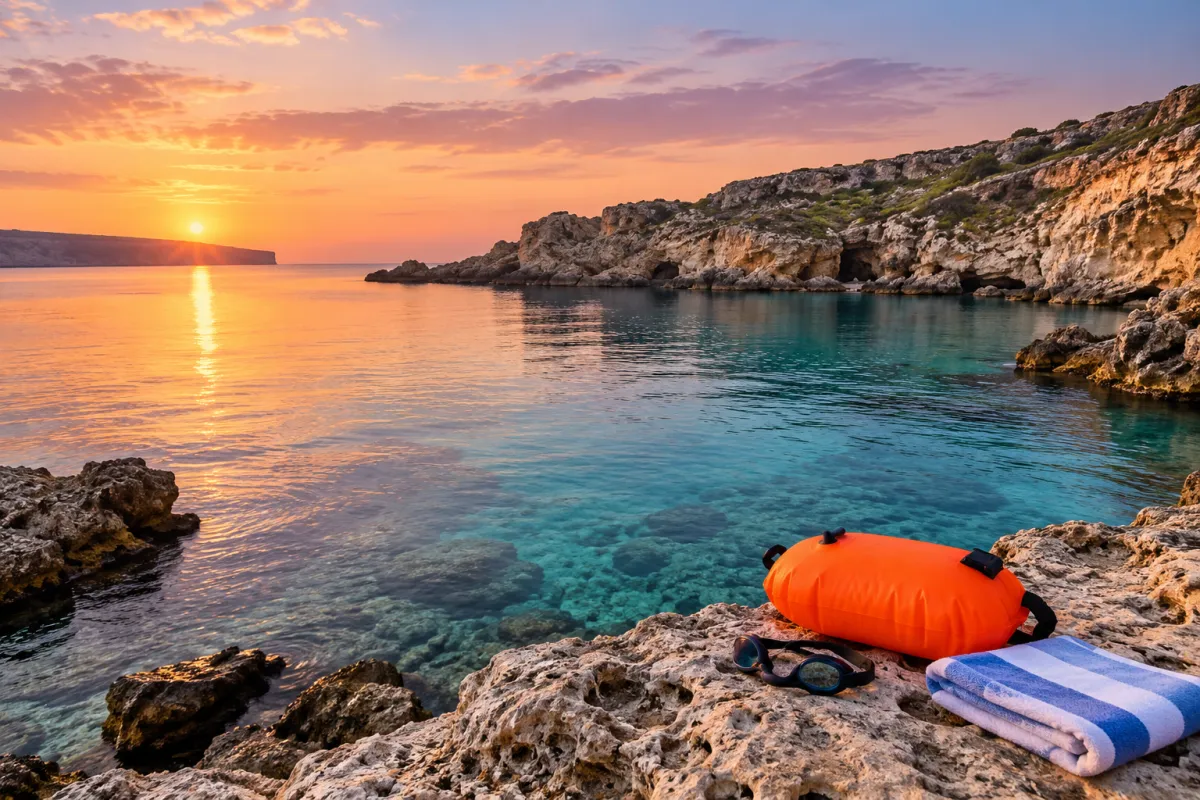
If I had to pick one activity that captures what makes Malta special for meeting people, it is sea swimming in a group. Swimming groups in Malta’s open water tend to meet early, before the heat and the boat traffic, and the routine is the same everywhere: arrive, chat on the rocks, swim, then stand around dripping and talking. That last part is where friendships happen.
Where swimmers tend to gather
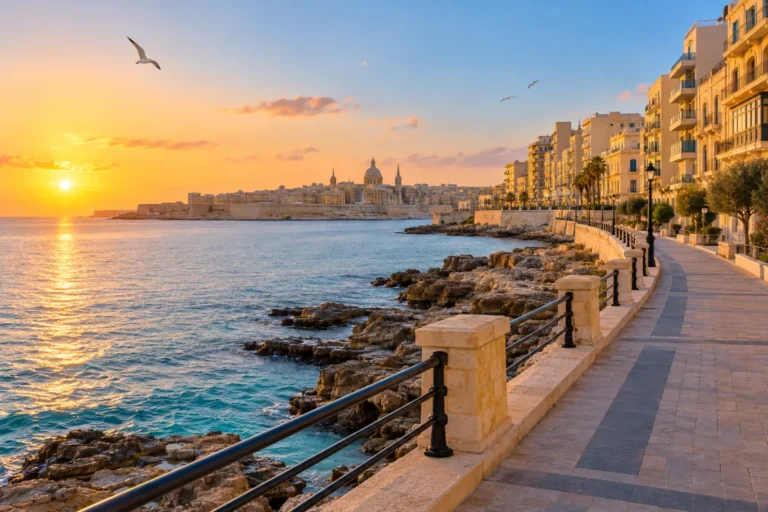
The Sliema and St Julian’s coastline is the obvious starting point because it is easy to reach by bus or on foot, with rocky entry points along the promenade and sheltered bays such as Balluta and St George’s Bay nearby. Further out, calmer spots around the north and the south-west attract swimmers on weekends. Specific group meeting points change, so look for open water and sea-swimming groups on Meetup and Facebook and read recent posts before you go.
Who it suits
- Early risers who prefer coffee to cocktails.
- People who find it easier to talk side by side doing something rather than face to face over a table.
- Anyone training for a swim event who wants company and safety in numbers.
The honest downsides
- Jellyfish. Some summers are worse than others. Regular swimmers usually know which bays to avoid on a given week, which is another reason to swim with a group.
- Boats and jet skis. Always use a bright tow buoy, stay close to shore and follow the group’s route.
- Winter water. The sea cools noticeably in winter and wind can make entries rough. Some groups keep going year-round; others thin out. Ask before assuming.
- Never swim alone. Even strong swimmers should go with others and tell someone where they are.
How to join without awkwardness
Message the group admin first, say your level honestly (“comfortable for a short swim, not a race”), and ask where people meet. On the day, arrive a little early and introduce yourself to whoever looks like they are organising. Everyone remembers being new, and swimmers are a famously welcoming crowd.
Sunset spots in Malta that work as meeting points
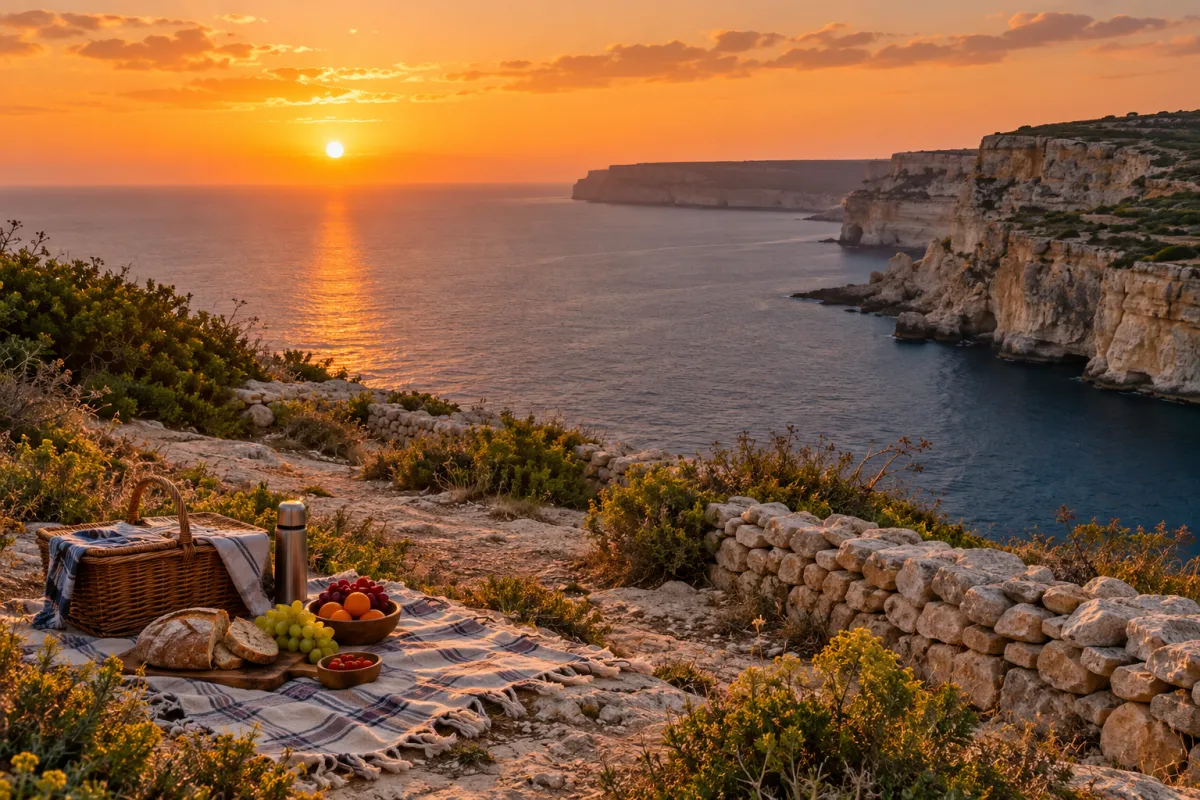
Sunset spots in Malta are underrated as social venues. They are free, everyone is in a good mood, and there is a natural start and end time. A sunset picnic is also the easiest thing in the world to host: you only need a location, a time and a bag of snacks.
West-facing picks
- Dingli Cliffs. High, dramatic and facing open sea. Bring a jacket outside summer, because it gets windy up there. Parking and buses can be limited, so plan your way back before the light goes.
- Golden Bay and Għajn Tuffieħa. Classic beach sunsets. Golden Bay is easier to reach; Għajn Tuffieħa involves steps down to the beach, which you will feel on the way back up.
- Dwejra, Gozo. Worth a day trip with a group. Factor in the ferry and the drive, and do not try to rush back for a tight connection.
- Mdina bastions. Not a classic sea sunset, but the evening light over the island is beautiful, and the quiet streets are lovely for a slow walk afterwards.
Turning a sunset into a friendship plan
Post a simple plan in a group chat you already belong to: the spot, the time to meet, what to bring. Keep it small, four to eight people is perfect. Ask everyone to bring one thing to share. Groups form around shared food far faster than around a bar tab.
Practical tip: in summer, sunset is the moment the whole island has the same idea, so popular car parks fill up. Car-share or take the bus early. In winter, sunset comes much earlier and the evenings are cool, which makes the spots quieter and, honestly, nicer.
Open mic in Malta: friends from the audience
You do not have to perform to benefit from an open mic in Malta. These nights are some of the friendliest rooms on the island because everyone is rooting for everyone. Poets, singer-songwriters, comedians and nervous first-timers all share a stage, and the audience is mostly other performers and their friends.
Where to look
Open mic nights tend to pop up in bars and cultural spaces around Valletta, Gżira, Sliema and St Julian’s, and they move between venues more than most events. The most reliable approach is to follow local music, comedy and poetry pages on Facebook and Instagram and watch for event listings. If you enjoy live music in the capital more generally, our guide to the city’s weekly quiz nights pairs well with an open mic as a regular midweek plan.
How to meet people there
- Compliment a performer after their set, specifically. “That second song about the bus stop was brilliant” is a far better opener than “nice set”.
- Sign up yourself, even for a short slot. Performing once makes you part of the regular crowd immediately.
- Stay for the end. The real mixing happens after the last act, when the room relaxes.
Quizzes, board games, climbing and language exchanges
These are the workhorses of Malta’s social life: weekly, low cost and built around a shared task, so conversation never stalls.
Language exchanges
Probably the single easiest way for newcomers to meet both locals and other internationals. You sit at a table, talk in a language you are learning, then swap. Our language exchange Malta guide lists groups, times and how to join.
Pub quizzes
Quizzes are perfect if you are coming solo. Ask the quizmaster if any team needs an extra player; it happens often. Win or lose, you have a team to sit with next week. Find options in our quiz night Malta roundup.
Board-game cafés
Hosted game nights are ideal for introverts. The game does the talking for the first hour, and by the second you are sharing jokes about who keeps stealing the sheep. See our board game café guide for where to play.
Climbing
Bouldering is quietly one of the most social sports there is: you rest between attempts, watch each other and swap tips on problems. Gyms often run social nights, and outdoor crag days are a great next step. Details are in our climbing gym Malta guide.
Volunteering: the shortcut nobody talks about
Volunteering mixes you with people you would never meet at a bar: locals of all ages, long-term residents, students and retirees. You are working side by side towards something, which builds trust quickly. It is also one of the best ways to meet Maltese people outside the expat bubble, because many local organisations rely on long-time volunteers.
Beach clean-ups, animal shelters, food distribution and environmental projects all run on the island. Pick something with a regular rhythm rather than a one-off event, for the same repeat-visit reason as above. Our guide to volunteering in Malta lists real organisations and how to sign up.
How to actually start a conversation there
The hardest part is the first sentence. Here is what works in practice, by situation.
At a swim or run
- “Is this the right spot for the group swim? First time.” Admitting you are new invites help, and helping is how people bond.
- “How is the water this week? Any jellyfish?” Everyone has an opinion.
At a quiz or game night
- “Are you short a player? I’m on my own and decent at geography.”
- “Can you teach me this one? I’ve never played.”
At a language exchange
- “Which language are you practising?” It is the natural opener and gets you straight to a swap.
- “What brought you to Malta?” works for internationals; for locals, ask which part of the island they are from and what they recommend nearby.
At a sunset or beach meetup
- “Is this your usual spot? I’m still finding the good ones.”
- Offer food. “Want some of this? I made too much” is the oldest trick and still the best.
Moving from chat to plan
After a good conversation, swap contacts with a reason: “I’ll send you that café I mentioned” or “Are you coming next week? Let’s grab a coffee after.” Then actually send the message within a day or two. Most potential friendships in Malta die not from rejection but from nobody following up.
Small things that help
- Learn a few Maltese words. Even a simple “grazzi” or “bonġu” earns smiles.
- Remember names and use them next time. Write them in your phone if you need to.
- Do not overload a first meeting. Short and friendly beats long and intense.
Summer vs winter: how the social calendar shifts
Knowing the seasonal rhythm helps you understand how to make friends in Malta at any point in the year.
- Summer (roughly June to September): social life moves outdoors and to the edges of the day. Morning swims, evening beach plans and outdoor events are busy. Afternoons are brutally hot, buses are crowded and some indoor groups pause. Tourists swell every popular spot.
- Autumn: arguably the best time to start. Students arrive, new contracts begin, groups relaunch after the summer break, and everyone is looking for new people. The sea is still warm enough for swimming.
- Winter: indoor activities come into their own: quizzes, board games, climbing, language exchanges, cultural events. Fewer people, warmer rooms, longer conversations. Rain can disrupt outdoor plans, so keep a backup.
- Spring: hiking season peaks, sunsets get later, and outdoor groups restart before the heat arrives.
Meeting new people safely
Most social activities in Malta are relaxed and friendly, but a few habits keep it that way when you are meeting people for the first time.
- Meet in public places, such as a busy café, a beach with other people around or a well-known venue.
- Tell a friend where you are going and who you are meeting.
- Have your own way home sorted, whether that is a bus you have checked, a ride-hailing app or your own car. Late buses can be unreliable, so do not rely on the last one.
- For sea activities, never swim alone, use a tow buoy and respect flags and weather warnings.
- Leave if you feel uncomfortable. You do not owe anyone an explanation.
Want to turn this into an actual plan? MeetNow is a free app for meeting people in person: a host posts a plan at a public place, says who pays (host pays, split, pay your own or free) and picks who joins. It is live on the web and works in your browser, starting in Malta. The Android app is on Google Play; the iPhone app is not in the App Store yet. Open MeetNow and see the plans posted in Malta.
FAQ
What is the fastest way to make friends in Malta?
Pick one weekly activity with conversation built in, such as a language exchange, a pub quiz or a group sea swim, and attend several times in a row. Repetition turns strangers into regulars, and regulars get invited to the follow-up coffee or drinks.
Is it hard to make friends with Maltese locals?
It can take longer, mainly because many locals already have close circles from school and family. Shared activities such as sports clubs, volunteering and hobby groups are the best way in, and learning a few Maltese words always helps.
Are there open water swimming groups in Malta?
Yes, sea-swimming groups meet along the coast, especially around Sliema and St Julian’s, usually early in the morning. Search Meetup and Facebook for current groups, check recent posts for meeting points, and always swim with others using a tow buoy.
What are good sunset spots in Malta for a group meetup?
West-facing spots such as Dingli Cliffs, Golden Bay and Għajn Tuffieħa work well, and Dwejra in Gozo is a great day trip. Plan transport in advance because parking and buses get busy in summer, and bring a layer for the wind.
Can I make friends in Malta if I don’t drink alcohol?
Absolutely. Sea swimming, climbing, hiking, volunteering, board-game cafés and language exchanges are all easy without alcohol, and nobody minds if you order a soft drink at a quiz or open mic.