The best photography walks in Malta are short and packed with texture: Valletta’s stepped streets and coloured balconies, the Three Cities waterfront facing the capital, Mdina’s silent lanes, Marsaxlokk’s painted fishing boats on a Sunday morning, Dingli Cliffs at sunset and the Sliema seafront at blue hour. You can join a group, such as the Malta Photographic Society, a Meetup photowalk or a guided photo tour, or simply walk a route with a friend. Go early or late for the light, keep drones within Transport Malta’s rules, and be respectful with people and in churches.
Most photography walks Malta groups organise follow some version of these routes. Below are six with timings, the groups that run photowalks, the rules worth knowing and how to turn a photo walk into a regular way to meet people. If you want a club with competitions and courses, see our guide to the photography club Malta scene.
Photography walks in Malta: six routes
| Route | Best for | Best time | Length |
|---|---|---|---|
| Valletta stepped streets | Street, architecture, balconies | Early morning, late afternoon | 1.5 to 2 hours |
| The Three Cities | Waterfront, quiet alleys, harbour views | Morning or golden hour | 2 hours |
| Mdina and Rabat | Textures, doors, night shots | Late afternoon into evening | 1.5 hours |
| Marsaxlokk | Colourful boats, market life | Sunday morning, early | 1 hour |
| Dingli Cliffs | Landscape, seascapes, sunset | The hour before sunset | 1 to 2 hours |
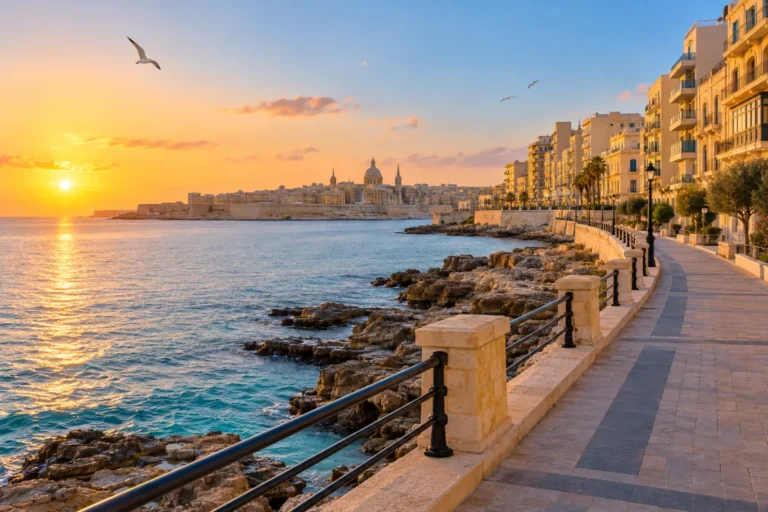
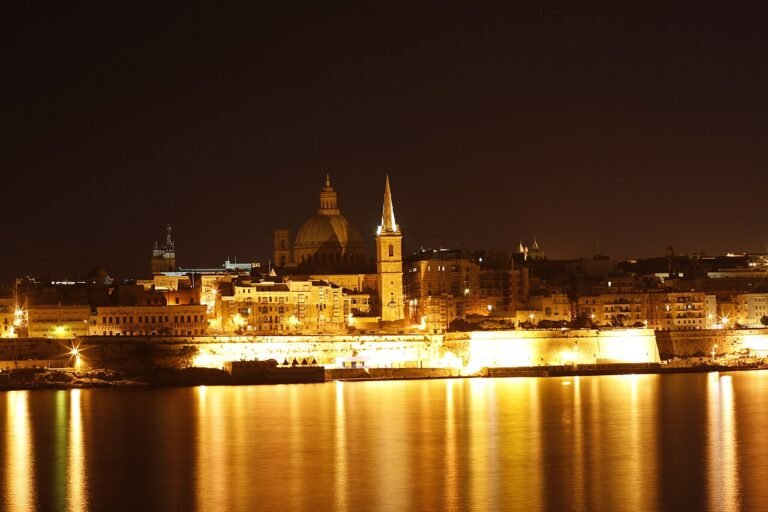
| Sliema and St Julian’s seafront | Skyline, blue hour, long exposures | Just after sunset | 1 hour |
1. Valletta stepped streets
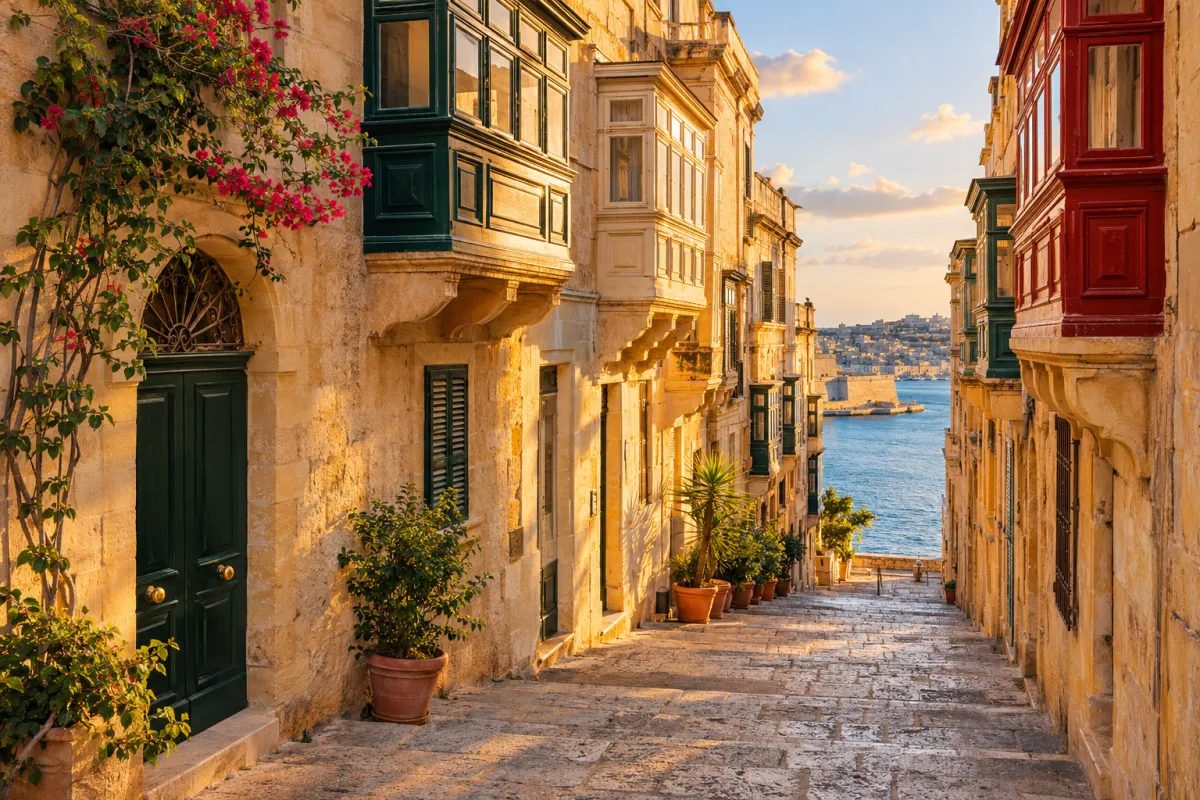
Start at the Upper Barrakka Gardens for the harbour view, then work through the grid. The side streets that drop steeply towards the sea, such as St Ursula Street, give you the classic shots: steps, enclosed wooden balconies and a strip of blue at the end. Early morning is empty and cool; late afternoon brings warm light on the limestone. Finish at the Lower Barrakka.
2. The Three Cities
Take the ferry from Valletta to Birgu and walk the waterfront, the back alleys of Birgu and across to Senglea. The Gardjola watchtower, with its carved eye and ear, looks straight back at Valletta. This is the calmer, more residential side of the harbour, and it rewards slow walking.

3. Mdina and Rabat
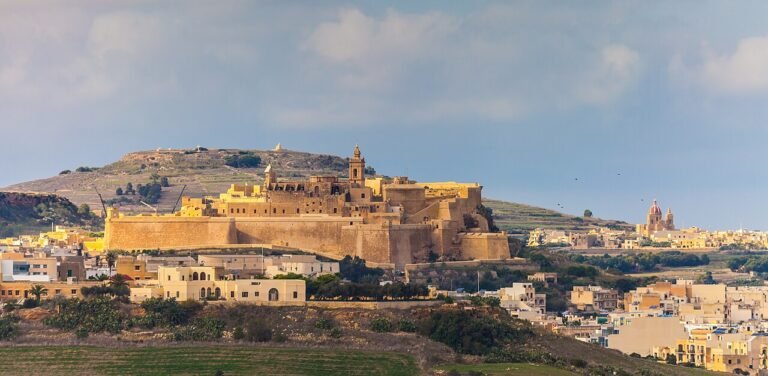
Mdina is best when the day visitors leave. Arrive an hour before sunset, photograph the doors and narrow lanes in soft light, catch the view from the bastions, and stay for the lit streets after dark. Rabat, just outside the walls, adds village life and bakeries.
4. Marsaxlokk on a Sunday morning
The fishing village is famous for its luzzu boats with painted eyes, and on Sunday mornings the waterfront market adds colour and people. Go early, before the tour buses, and ask before photographing stall holders up close.
5. Dingli Cliffs at sunset
The highest cliffs on the island face west over open sea, with the islet of Filfla offshore. Bring a wide lens and a jacket. Our guide to sunset spots in Malta has more west-facing viewpoints.
6. Sliema seafront at blue hour
Walk from the Sliema ferries towards St Julian’s just after sunset, when Valletta’s skyline lights up across the water. It is ideal for a small tripod and long exposures, and there is a café every few metres to warm up in.

Who runs photowalks
- Malta Photographic Society (MPS): founded in 1961, with a club house at 137 Old Bakery Street in Valletta. It holds club events on Thursdays (competitions, photo clinics, talks, practical sessions), runs courses and organises outings for members. See the MPS website.
- Meetup groups: photography and creative groups organise free or low-cost photowalks, often on weekends; our guide to meetup groups in Malta explains how to find active ones.
- Guided photo tours: commercial guides run paid photo walks in Valletta, Mdina and the Three Cities, useful for visitors who want local tips.
- Art and creative classes: some studios combine sketching or photography outings; see our guide to art classes in Malta for adults.
When the light is best
- Golden hour: the hour after sunrise and before sunset, when Malta’s limestone turns honey-coloured.
- Blue hour: 20 to 30 minutes after sunset, for skylines and lit streets.
- Winter: clear air after rain, dramatic skies, low sun all day. Sunset is around 5pm in November.
- Summer: harsh midday light; shoot early, rest, and go out again after 6pm.
Drones, people and churches: the rules
Drones. Malta’s airspace is tightly controlled. Drone flights fall under Transport Malta’s civil aviation directorate: operators must register drones that require registration, have insurance, and request authorisation for flights through the official IDRONECT portal. Keep the drone in sight, stay within height limits and never fly over crowds or festas.
People. Street photography in public places is common, but publishing identifiable images of people brings in data protection rules overseen by Malta’s Information and Data Protection Commissioner. Ask before close portraits, respect a “no”, and be extra careful with children.
Churches. Many allow quiet photos without flash during visiting hours, but never during Mass, weddings or funerals. Tripods are often not allowed, and some sites, such as St John’s Co-Cathedral, set their own rules. Cover shoulders and knees.
What to bring
- One camera and one lens, or just your phone; walks are better light.
- A small tripod for blue hour and Mdina at night.
- Comfortable shoes: Valletta is steep and stepped.
- Water and sunscreen, even in winter.
- A spare battery or power bank, since cold wind on the cliffs drains batteries faster.
- A light jacket for cliffs and the seafront after dark.
How to run your own group photowalk
- Pick one route and one theme. “Valletta doors” or “Three Cities reflections” gives people something to look for and talk about.
- Set a meeting point you cannot miss, such as the City Gate fountain or a ferry landing, and a fixed start time timed to the light.
- Keep the group small. Six to ten people can move through narrow streets without blocking residents.
- Plan two stops, one viewpoint halfway and one café at the end, so slower walkers can catch up.
- Agree the photo etiquette at the start: no flash in churches, ask before portraits, and no drones without authorisation.
- Share the results. A shared album or a group chat where everyone posts their best three shots keeps people coming back next month.
Beginners are welcome on almost every photowalk. Phone photographers often take the most interesting pictures, because they shoot what they see rather than worrying about settings.
Making it social
A photo walk is one of the easiest ways to meet people in Malta: you have something to do with your hands, a reason to stop and talk, and pictures to share afterwards. Walk the same route with a group once a month, end at a café, and share your best three shots in a group chat. For more low-pressure ways to meet people, see our guide to places to meet people in Malta, and for slow Sunday routes that double as photo walks, try our Sunday plans in Malta. For after-dark ideas, see things to do in Malta in the evening.
Want to turn this into an actual plan? MeetNow is a free web app for meeting people in person, starting in Malta: a host posts a plan at a public place, such as the Upper Barrakka Gardens at golden hour, sets the time and seats, says who pays (host pays, split, pay your own or free) and picks who joins from the people who ask with a short note. Open MeetNow and see the plans in Malta.
Featured image: illustration of a stepped Valletta street with enclosed balconies at golden hour (AI-generated, no people).
Frequently asked questions (FAQ)
Where are the best photography walks in Malta?
Valletta’s stepped streets and balconies, the Three Cities waterfront, Mdina’s quiet lanes, Marsaxlokk’s fishing boats on a Sunday morning, Dingli Cliffs at sunset and the Sliema seafront at blue hour.
Are there photography groups in Malta?
Yes. The Malta Photographic Society, founded in 1961 and based in Valletta, holds club events on Thursdays, courses and outings. Meetup groups and guided photo tours also run photowalks.
Can I fly a drone in Malta?
Only within the rules of Transport Malta’s civil aviation directorate. Operators must register drones that need registration, and flights need authorisation through the official IDRONECT portal. Do not fly over crowds.
Can I take photos inside churches in Malta?
Many churches allow quiet photos without flash during visiting hours, but never during Mass or ceremonies. Some sites, such as St John’s Co-Cathedral, have their own photo rules, so check at the entrance.
What is the best time for photography in Malta?
Early morning and the hour before sunset, when the limestone glows. Winter gives clear air and softer light; summer midday light is harsh.