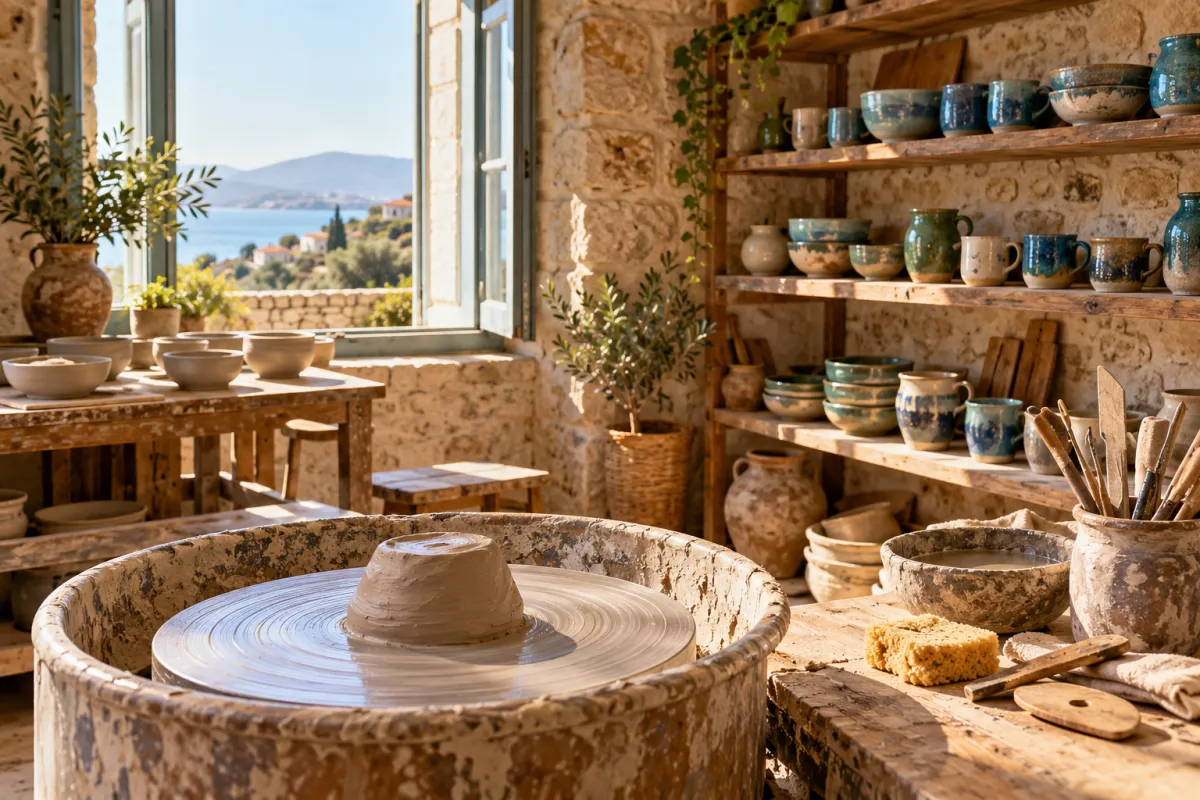
Nobody looks cool with wet clay up to their wrists, and that is exactly why pottery classes in Malta work so well for meeting people. If you have searched for pottery classes Malta and found a confusing mix of craft shops, painting studios and courses with no clear dates, this guide sorts it out. It covers who runs what, which format suits a first go, what you will pay where we could verify it, and how to turn a shared table into an actual conversation.
Pottery suits people who find bars loud and networking events awkward. You sit side by side, your hands are busy and there is always something to talk about: a wobbly bowl, a glaze that came out a surprising colour, a mug handle that fell off. It is also one of the few social plans on the island that is great in winter, when beach volleyball and sunset swims fade out.
Fair warning from someone who has done it: studios here are small, popular slots go fast at weekends, and getting to Attard, Mosta or Ta’ Qali at rush hour can test your patience. Plan for that and you will have a good time.
Why pottery classes in Malta are good for meeting people
Most social plans in Malta revolve around eating, drinking or standing near a speaker. Pottery is different, and that difference helps if you are new to the island, a little shy, or simply tired of shouting over music.
- Built-in small talk. Everyone is a beginner at something on the table. Asking someone how they got their walls so even is a perfectly normal opener.
- Side-by-side, not face-to-face. You work next to people rather than staring at them, which takes the pressure off. Silences feel comfortable because your hands are busy.
- A reason to meet again. Fired pieces usually have to be collected later, which gives you a natural excuse to come back, compare results and grab a coffee with whoever you met.
- Mixed crowds. You will find Maltese locals, Erasmus students, remote workers and couples on a low-key date. Groups are usually small, so you actually talk to the people there.
- Good all year. When the wind picks up and the beach clubs close, an indoor studio becomes one of the most pleasant places to spend a weekend afternoon.
If pottery is not quite your thing, our wider guide to places to meet people in Malta, from clubs to activity groups covers sports, language exchanges and more.
Pottery classes Malta at a glance
Here is a quick comparison of the options we could confirm. Where we could not verify a price from a primary source, we say so rather than guess; studios change prices and timetables, so always check before you go.
| Place / activity | Area | When | Cost | How to join |
|---|---|---|---|---|
| Villa Bologna Pottery: ceramic painting workshops | Attard | Thursday to Sunday, 2-hour sessions | €20 deposit to book, deducted from the final bill; pieces priced individually including paint, glazing and firing (Villa Bologna Pottery) | Book a slot through the studio’s website |
| Pop-up hand-building workshops (e.g. Bored Peach Club, CeramicsbyTiz) | Varies by event | Announced per workshop | Around €50 to €65 per person for a 2-hour session including clay, instruction and firing (Art Academy) | Follow the hosts’ social pages and book each event |
| Art Academy Malta: beginner ceramic sculpture course | Mosta | Term-based courses | Course fee, with clay and firing charged separately; check the current term | Enrol through the academy |
| Ta’ Qali Crafts Village studios (e.g. Alka Ceramics) | Ta’ Qali | Multi-lesson packages, times set by the studio | Ask the studio; raw clay is usually bought separately | Visit or contact the studio directly |
| Private wheel-throwing intensives (e.g. Rosella Schembri) | By arrangement | Private or small-group, by appointment | Ask the artisan | Contact the potter directly |
The studios and workshops worth knowing
Villa Bologna Pottery, Attard
This is the easiest entry point and the one most people try first. Villa Bologna Pottery has a long history in Attard and is known for its hand-painted ceramics, and its painting workshops let you decorate a ready-made bisque piece rather than shape your own from scratch. According to Villa Bologna Pottery, finished pieces are ready to collect after about two weeks, once they have been glazed and fired.
Who it suits: complete beginners, friends who want a chatty afternoon, couples looking for something gentler than dinner, and anyone who likes the idea of ceramics but not the mess of a wheel. It also works well for groups because everyone finishes at the same time with something to show.
Honest downside: you are decorating, not throwing. If you came for the full potter’s wheel experience, you may leave wanting more. Weekend slots are popular, so book ahead rather than turning up.
Ta’ Qali Crafts Village
The crafts village at Ta’ Qali, below Mdina, is where you find working artisans: glassblowers, silversmiths and ceramic producers in converted former airfield buildings. Studios such as Alka Ceramics operate here and offer multi-session lesson packages for wheel work and hand-building, with raw clay generally bought separately from the lessons themselves.
Who it suits: people who want to keep going after a taster and build a skill over several weeks. Repeat sessions mean you see the same faces, which is how acquaintances become friends.
Honest downside: the village can feel quiet and a little worn on weekday afternoons, and details are often shared by phone or social media rather than through a tidy booking page. Ring or visit, ask what is running and how much clay you will need, and do not be shy about asking to see the studio first.
Art Academy Malta, Mosta
Art Academy Malta runs structured term courses, including a beginner ceramic sculpture course that covers hand-building, clay preparation, hollow sculpting and glazing. Clay and firing are charged separately based on what you make, so budget a little on top of the course fee. Check current terms on the Art Academy site before planning around it.
Who it suits: people who like a proper course with a teacher, a syllabus and a group that meets week after week. This is the most class-like option on the list, which is great if you want to actually learn rather than just play.
Honest downside: term courses need commitment. If you travel a lot or work shifts, missing sessions gets frustrating.
Pop-up workshops: Bored Peach Club, CeramicsbyTiz and similar hosts
Independent hosts run one-off hand-building and sculpting workshops around the island, often in cafés, studios or event spaces. These tend to be the most social format: a mix of strangers, music, sometimes a drink or snacks, and a single project such as a mug, a vase or a trinket dish. Hosts such as Bored Peach Club and CeramicsbyTiz typically charge around €50 to €65 per person for a 2-hour session including materials, instruction and kiln firing (Art Academy).
Who it suits: solo newcomers, birthday groups and anyone who wants a one-off plan without signing up for a term. Pop-ups are also where you are most likely to meet people your age.
Honest downside: dates are announced at short notice on Instagram or Facebook and sell out. Follow the hosts, turn on notifications, and book when you see something.
Private wheel-throwing with independent potters
If the wheel is what you want, some independent master artisans, such as Rosella Schembri, offer private or small-group intensives covering clay preparation, centering, pulling, trimming and firing. This is the pricier route and not especially social, but it is the fastest way to get competent enough to enjoy group sessions afterwards. Contact the potter directly for current formats and prices.
Painting, hand-building or the wheel: which to book
The type of class matters more than the venue for how sociable it feels. A quick guide:
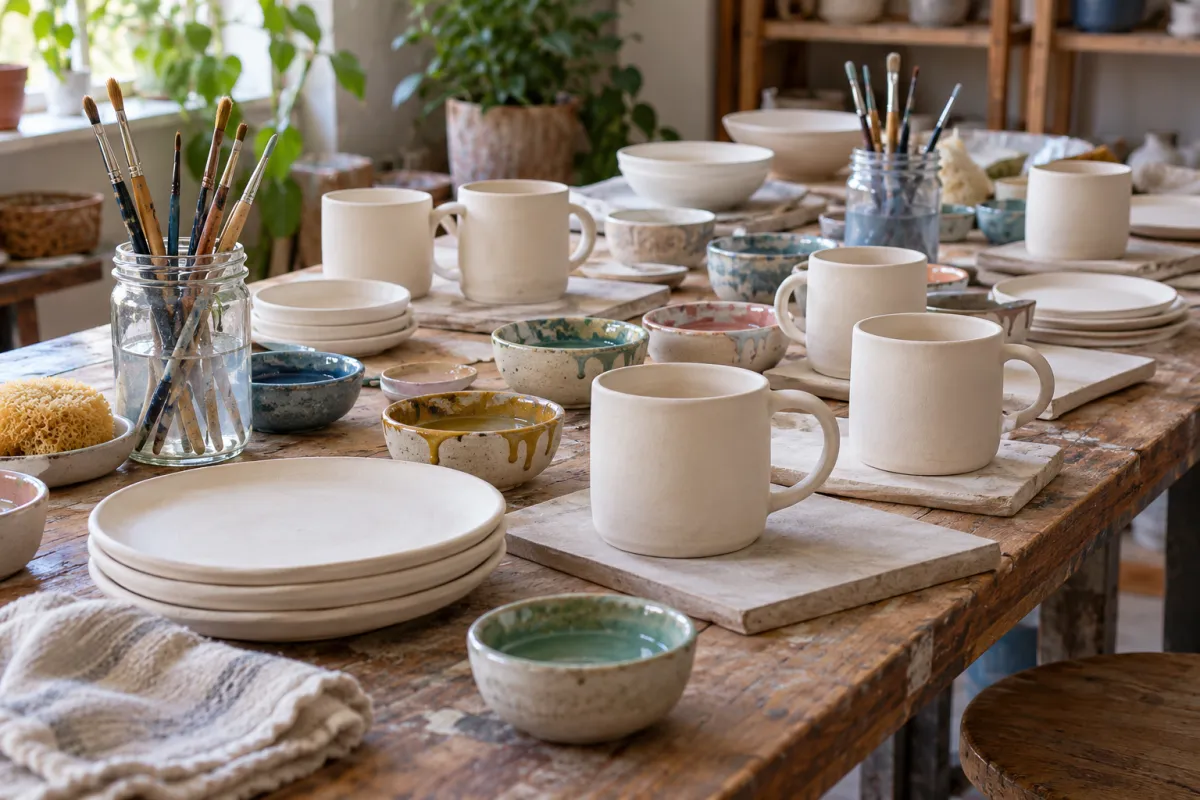
- Ceramic painting is the most relaxed and the most talkative. Everyone sits around a table, the stakes are low and you can hold a conversation the whole time. Pick this for a first date, a catch-up with a friend or your first solo outing.
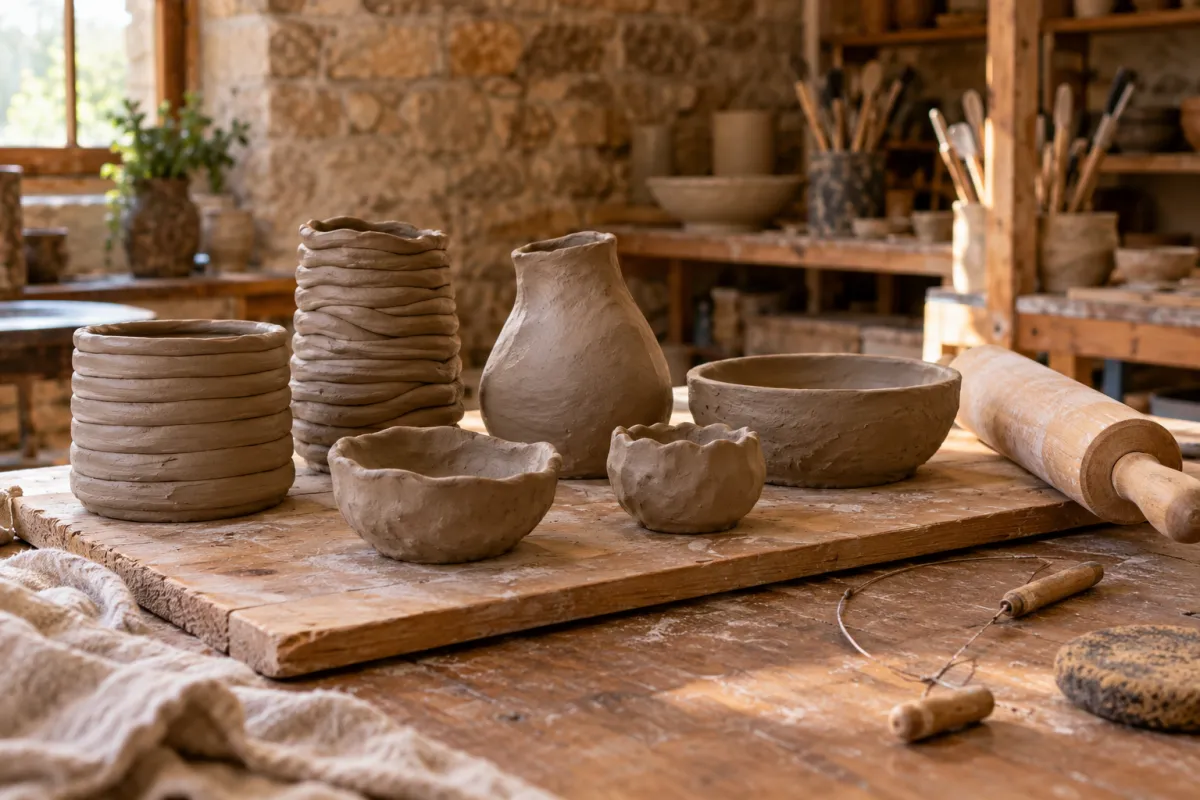
- Hand-building (pinch pots, coils, slabs) is the sweet spot for meeting people. It is hands-on enough to feel like a real craft, but you are still at a shared table and can chat freely.
- Wheel throwing is the most absorbing and the least chatty. Centering clay takes concentration, and you are each at your own wheel. The social part happens in the breaks, during clean-up and afterwards.
- Multi-week courses are the best for lasting friendships. Seeing the same group several times is what turns small talk into plans.
A good path is to try painting or a pop-up hand-building workshop first, then sign up for a course if you get hooked. If you are planning a pottery outing as a date, our list of first and second date ideas in Malta with costs has more low-pressure options to pair it with.
How to actually start a conversation at a pottery class
The class gives you the opening, but you still have to take it. These are lines and habits that work without feeling forced.
At the table
- Ask about their piece, not about them. “What are you making?” or “Is that going to be a mug or a bowl?” is easier than “So what do you do?” and leads to the same places.
- Admit your disasters. “Mine has collapsed for the third time, any tips?” invites help and laughter. People love being asked for advice.
- Compare colours. At painting sessions, glaze choices are a natural talking point. Ask which colour they think will come out darker after firing; nobody is ever sure.
- Share tools and space. Passing a sponge or offering to share the water bucket is a tiny gesture that opens the door.
- Ask if it is their first time. Almost everyone answers with a story about why they came, and that is your conversation.
During the break or clean-up
- Clean-up is the best moment to chat because everyone is relaxed and the concentration is over. Hang around the sink rather than rushing off.
- Ask where people are from in Malta or how long they have been on the island. Expats and students often swap tips on neighbourhoods and cafés.
- Mention the next thing you are curious about: a climbing session, a board game evening, a quiz. You will be surprised how often someone says they have been meaning to try it too.
Afterwards
- Use the collection date. “Shall we pick them up together and grab a coffee?” is one of the most natural follow-ups there is.
- Suggest a group plan, not a one-to-one. “A few of us are going for a drink nearby, want to come?” feels lighter than a direct invite.
- Swap Instagram over numbers. Many people prefer it at first, and it lets you see each other’s finished pieces.
Making a day of it: cafés and bars nearby
Pottery studios are spread around the centre of the island, so think about where you will go afterwards before you book. The after-class coffee is often where the real conversation happens.
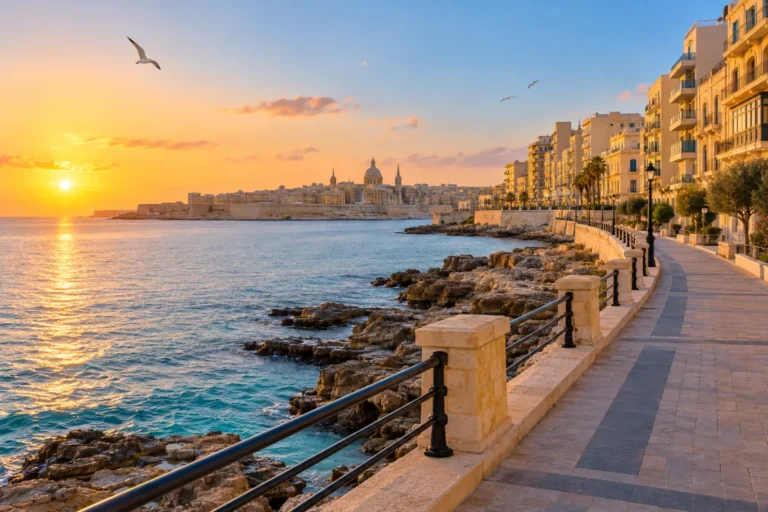
From Attard or Ta’ Qali, Mdina and Rabat are a short drive away and make a lovely, quiet stop for a coffee or a pastizz once you are done. If you are heading back towards the coast, Gzira’s promenade facing Manoel Island has plenty of laid-back spots; locals hunting for the best cafes in Gzira tend to favour the quieter places along the Strand over the busier Sliema end. Just over the road, our guide to the best cafés in Sliema for sitting, meeting and talking has tried-and-tested picks.
If your pottery group wants a drink afterwards, the question of the best bars to meet people in Malta comes down to noise level: you want somewhere you can hear each other. Our round-up of Sliema bars, from seafront to quiet picks flags the calmer options. For another hands-on, table-based way to meet people, try a board game café or game night in Malta.
Remote workers, take note: some coworking spaces in Malta run community events for members, and craft or creative workshops do appear on those calendars from time to time. When people search for coworking spaces Malta community events, the most reliable source is usually the space’s own events board or newsletter, so ask at the front desk.
Practical tips: heat, traffic, collection and safety
What to wear and bring
- Old clothes. Clay and glaze stain. Most studios have aprons, but bring something you do not mind ruining.
- Short nails, no rings. Especially for the wheel. Long nails gouge the clay and rings get caked.
- Hair tie and water. Studios with kilns can get warm, and in July and August the island’s heat makes some spaces stuffy, particularly in the afternoon. Morning slots are more comfortable in summer.
Getting there
- Traffic is the real enemy. The roads around Attard, Mosta and the central roundabouts clog at rush hour. Leave more time than the map suggests or you will arrive stressed and late.
- Buses run, but plan the return. Attard, Mosta and Ta’ Qali are all on the bus network, but services can be infrequent and late buses are a known frustration. Check the return journey before you go, or share a ride with someone from the class.
- Parking is generally easier at Ta’ Qali than in Attard or Mosta’s centre.
Booking and collection
- Book weekend slots well ahead, especially in winter and around holidays.
- Ask how long firing takes and how collection works. If you are a visitor leaving the island, ask whether the studio can arrange anything for you before you pay; otherwise pick a painting session where you know the timeline.
- Ask whether clay and firing are included or extra. It varies a lot between studios, as the table shows.
Meeting someone new from a class? Keep the first meet-up in a public place such as a café or a busy promenade, tell a friend where you are going, sort out your own way home, and feel free to leave if anything feels off. A good pottery friendship can wait for a second coffee.
Looking for low-cost ways to fill the rest of your week? Our list of free things to do in Malta pairs well with a pottery budget.
Want to turn this into an actual plan? MeetNow is a free app for meeting people in person: a host posts a plan at a public place, says who pays (host pays, split, pay your own or free) and picks who joins. It is live on the web and works in your browser, starting in Malta. The Android app is on Google Play; the iPhone app is not in the App Store yet. Open MeetNow and see the plans posted in Malta.
Pottery classes in Malta: FAQ
Do I need any experience to join pottery classes in Malta?
No. Painting sessions and pop-up hand-building workshops are designed for complete beginners, and Art Academy Malta runs a course specifically for beginners. Wheel throwing is harder to pick up, so if you have never touched clay, start with painting or hand-building and move on to the wheel later.
How much do pottery classes in Malta cost?
It depends on the format. Villa Bologna Pottery asks for a €20 deposit to reserve a painting session, which is deducted from your bill, and prices each piece individually. Independent pop-up hand-building workshops typically cost around €50 to €65 per person for a two-hour session. Courses and private wheel lessons vary, so ask the studio directly, and check whether clay and firing are included.
Can I go to a pottery class alone?
Yes, and it is one of the easiest activities to do solo. You sit at a shared table with a built-in topic of conversation, and pop-up workshops in particular attract plenty of people who come on their own to meet others.
When can I collect my finished pottery?
Pieces need to be glazed and fired after the session. At Villa Bologna Pottery, finished work is ready to collect after about two weeks. Other studios have their own timelines, so ask when you book, especially if you are visiting Malta for a short time.
Which pottery class is best for meeting people?
Pop-up hand-building workshops are usually the most social because they mix strangers at one table and keep the mood relaxed. Multi-week courses at Ta’ Qali or Art Academy Malta are best for lasting friendships, because you see the same group repeatedly. Wheel sessions are the least chatty while you work.